
Recent Post

How to buy collectible swords: a 2026 buyer's guide

Why choose movie swords: guide to authentic replicas 2026

Why display replica swords? Emotional value & quality guide

Medieval sword display guide for collectors in 2026

Historical sword replicas: compare 4 types, 1.1-1.8 kg

Why choose movie replica swords? 40% more display appeal
Leave a comment
How to buy collectible swords: a 2026 buyer's guide
Buying collectible swords online often ends in disappointment. Flimsy blades, inaccurate replicas, and outright counterfeits flood the market. Many buyers struggle to verify authenticity, choose the right sword type for their needs, or navigate legal restrictions. This guide walks you through research methods, authentication tools, and safe buying practices. Whether you’re a cosplayer seeking lightweight props, a collector hunting historical accuracy, or an enthusiast wanting impressive display pieces, you’ll learn to avoid common pitfalls and confidently purchase swords that meet your expectations.
Table of Contents
- Introduction To Collectible Swords
- Prerequisites: What You Need Before Buying
- Understanding The Types Of Collectible Swords
- Where To Buy: Trusted Retailers And Marketplaces
- Step-By-Step Buying Process
- Common Mistakes And How To Avoid Them
- Safety And Legal Considerations
- Expected Timelines, Costs, And Post-Purchase Care
- Explore High-Quality Collectible Swords At Propswords
- Frequently Asked Questions
Key takeaways
| Point | Details |
|---|---|
| Understand sword types | Different swords serve cosplay, display, or collection purposes with varying materials and durability levels. |
| Verify authenticity | Use magnifying tools and research methods to confirm quality and avoid counterfeits. |
| Choose reputable sellers | Specialized retailers reduce counterfeit risk and provide customer support. |
| Review legal restrictions | Sword ownership laws vary by location and may require permits or prohibit certain blade types. |
| Plan budget realistically | Prices range from affordable cosplay swords to premium collectibles, with delivery taking 1-4 weeks. |
Introduction to collectible swords
Collectible swords encompass replicas inspired by anime, movies, and historical weaponry, decorative display pieces, and historically accurate reproductions. These swords appeal to distinct audiences with varying priorities. Purists seek historical accuracy in materials, design, and craftsmanship, often researching authentic medieval or Japanese sword construction. Cosplayers need lightweight, durable swords that photograph well and comply with convention safety rules. Display collectors prioritize aesthetic value, seeking impressive centerpieces for home or office showcases.
The market presents significant challenges. Counterfeit swords marketed as premium replicas flood online marketplaces, disappointing buyers who receive poorly constructed products. Quality varies wildly even among legitimate sellers, with some offering museum-grade replicas while others sell decorative wall hangers with fragile construction. Misinformation about materials, weight, and historical accuracy creates confusion, making it difficult for buyers to compare products effectively.
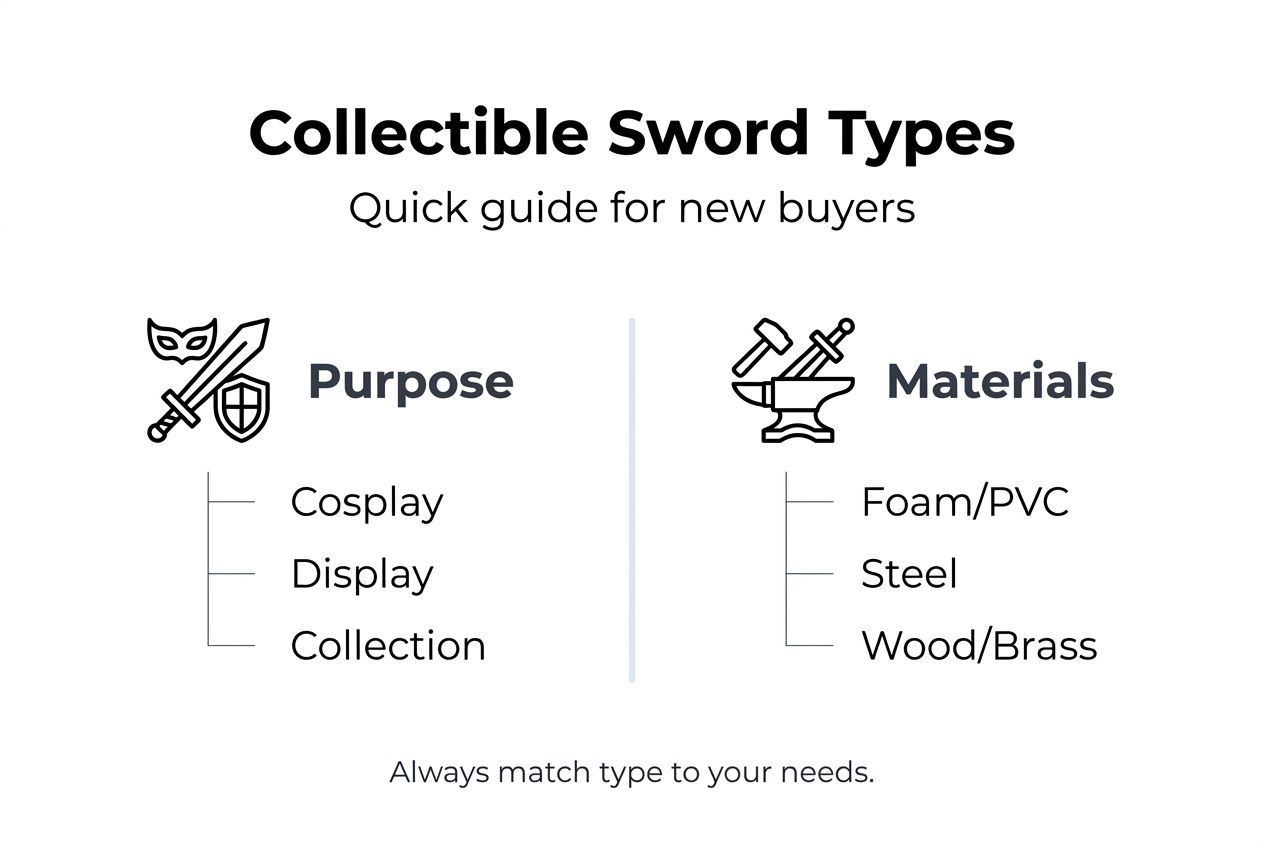
Understanding these categories helps you match purchases to your specific needs:
- Replica swords: Inspired by fictional characters or historical weapons, ranging from affordable to premium quality
- Historical collectibles: Authentic reproductions of real historical swords with period-accurate materials and construction
- Decorative swords: Designed primarily for visual appeal rather than functional accuracy
- Cosplay swords: Lightweight props safe for conventions, prioritizing appearance over authenticity
Recognizing your primary purpose before shopping prevents costly mistakes and ensures satisfaction with your purchase.
Prerequisites: what you need before buying
Successful sword buying requires preparation beyond simply browsing catalogs. Essential tools for authentication include a magnifying glass or jeweler’s loupe to inspect maker’s marks, weld quality, and material authenticity. These tools reveal construction details invisible to the naked eye, helping you spot cheap replicas disguised as premium products.
Reliable internet access enables thorough research on sword origins, manufacturer reputations, and historical accuracy. Comparing multiple sources helps verify claims about materials, weight, and construction methods. Proper authentication methods prevent costly mistakes by teaching buyers to recognize genuine craftsmanship.
Budget planning proves essential because sword prices vary dramatically. Setting clear limits based on your intended use prevents overspending on features you don’t need. A cosplay sword for weekend conventions requires different investment than a display collectible or historically accurate replica.
Verifying seller credibility protects against fraud and disappointment. Check multiple review sources, not just testimonials on the seller’s website. Look for detailed product descriptions including materials, dimensions, weight, and origin. Reputable sellers provide this information transparently.
Before purchasing, gather these resources:
- Magnifying glass or jeweler’s loupe for detail inspection
- List of trusted authentication resources and collector forums
- Clear budget range based on sword type and purpose
- Checklist of required specifications matching your needs
Pro Tip: Create a comparison spreadsheet tracking specifications, prices, and seller ratings across multiple options. This organized approach prevents impulse purchases and helps identify the best value for your specific requirements.
Learning authenticating replica swords techniques before shopping saves money and frustration by helping you confidently evaluate products.
Understanding the types of collectible swords
Material composition and construction methods define sword categories and determine suitability for different purposes. Matching sword type to intended use prevents disappointment and ensures you get appropriate value.
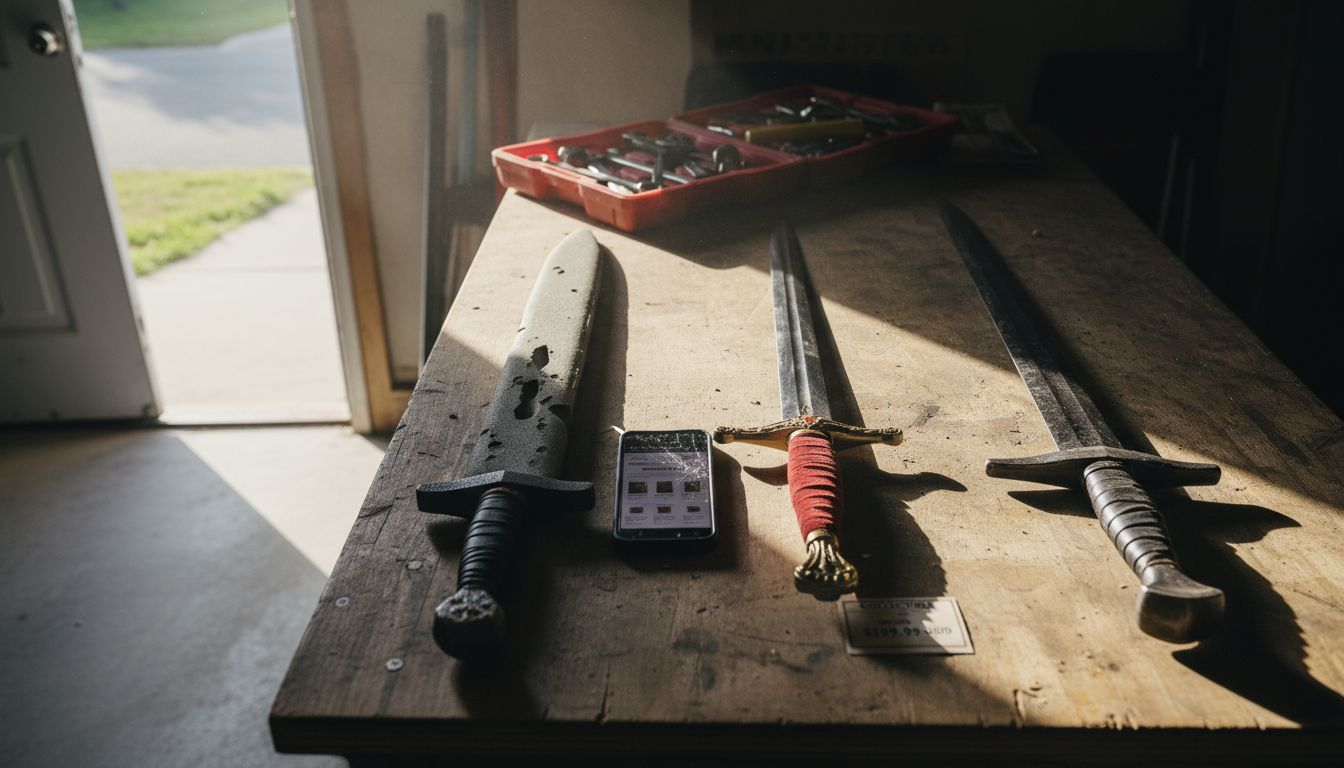
Cosplay swords prioritize safety and portability over authenticity. Manufacturers typically use PVC, foam, lightweight aluminum, or wood. These materials keep weapons convention-safe while maintaining visual appeal for photography. Durability remains limited because these swords aren’t designed for repeated combat choreography or long-term handling. Most conventions restrict blade materials and sharpness, making cosplay-specific swords the practical choice for costume events.
Decorative display swords emphasize visual impact and craftsmanship. Constructed from steel, brass, or hardwood with detailed finishing, these pieces work well as home or office displays. They handle occasional light use but aren’t built for combat reenactments. Weight varies from moderate to heavy depending on materials and size. Quality decorative swords feature proper balance and authentic-looking details even if not historically accurate.
Historically accurate collectible swords represent the premium category. These reproductions use period-appropriate materials and construction techniques, often hand-forged with proper heat treatment and edge geometry. Weight, balance, and handling characteristics match historical examples. Prices reflect the extensive craftsmanship required. Serious collectors value these pieces for their authenticity and investment potential.
Understanding display swords differences helps clarify which category suits your needs and budget.
| Sword Type | Materials | Weight | Durability | Best For | Price Range |
|---|---|---|---|---|---|
| Cosplay | PVC, foam, light aluminum | Very light | Low | Conventions, photos | $ |
| Decorative | Steel, brass, wood | Moderate-heavy | Moderate | Display, light handling | $$ |
| Historical | Carbon steel, authentic materials | Heavy | High | Serious collection, investment | $$$ |
When choosing replica swords, consider how you’ll actually use the piece. A beautiful historical replica makes a poor convention prop due to weight and safety concerns. Conversely, a foam cosplay sword disappoints collectors seeking authentic craftsmanship.
The role of swords in cosplay differs significantly from display or collection purposes, requiring different material priorities and construction standards.
Pro Tip: If you’re unsure which category fits your needs, start with a mid-range decorative sword. These offer better construction than cosplay props while remaining affordable, letting you explore the hobby before investing in premium historical pieces.
Where to buy: trusted retailers and marketplaces
Sourcing location dramatically impacts authenticity, quality, and customer protection. Specialized retailers focusing on replica weapons offer significant advantages over general marketplaces or auction sites.
Buying from specialized retailers reduces counterfeit risk because these businesses build reputations on product authenticity and quality control. They typically provide detailed specifications, clear return policies, and knowledgeable customer support. Staff understand the difference between decorative wall hangers and functional replicas, helping buyers make informed choices.
General online marketplaces carry higher counterfeit risk despite lower prices. Third-party sellers often lack expertise or accountability, making authentication difficult. Product descriptions may contain misleading information about materials or origins.
Red flags indicating suspicious sellers include:
- Vague or missing company information and contact details
- No customer reviews or only suspiciously positive testimonials
- Prices significantly below market average for claimed quality
- Stock photos instead of actual product images
- Unclear or absent return and warranty policies
- Payment methods lacking buyer protection
Verify seller reputation through multiple independent sources. Check collector forums, social media groups, and review sites beyond the seller’s own platform. Look for consistent positive feedback over time rather than recent review bursts.
Ensure sellers clearly state customer support availability, response times, and return procedures. Reputable retailers stand behind their products with reasonable return windows and responsive service.
Specialized retailers also understand legal restrictions in different regions, helping prevent purchases that customs might seize or that violate local laws.
Step-by-step buying process
Following a systematic approach ensures thorough evaluation and reduces the risk of buyer’s remorse. These sequential steps guide you from initial research through final purchase.
-
Research sword origin and authenticity. Investigate the historical or fictional source inspiring the replica. Study authentic examples or canonical references. Verify the seller’s claims about materials, construction methods, and accuracy. Check manufacturer reputation and production location.
-
Define your purpose clearly. Determine whether you need a cosplay prop, display piece, or serious collectible. This decision drives all subsequent choices about materials, weight, and budget. Be honest about how you’ll actually use the sword rather than idealizing potential uses.
-
Compare across reputable retailers. Don’t settle for the first option you find. Compare specifications, prices, and customer reviews across at least three trusted sellers. Note differences in materials, dimensions, and included accessories. Calculate total cost including shipping and potential import fees.
-
Review shipping, returns, and legal restrictions. Confirm the seller ships to your location and understand delivery timelines. Read return policies carefully, noting who pays return shipping and restocking fees. Research local and national laws regarding sword ownership, blade length limits, and required permits before ordering.
-
Complete purchase with supported sellers. Choose retailers offering responsive customer service and secure payment methods. Save all transaction records, shipping tracking, and product specifications. Photograph the sword immediately upon arrival to document condition for potential returns or insurance claims.
This methodical approach takes more time than impulse buying but dramatically increases satisfaction rates and reduces costly mistakes.
Common mistakes and how to avoid them
Experienced collectors recognize patterns in buyer errors that lead to disappointment and wasted money. Learning from these common pitfalls protects your investment and satisfaction.
Ignoring seller reputation creates the highest risk. Buyers attracted by low prices often purchase from unverified sellers, receiving counterfeits or poor quality products with no recourse. Always verify seller credentials through independent sources before ordering.
Confusing sword categories causes frequent disappointment. Buyers expecting historically accurate collectibles receive decorative wall hangers, or cosplayers find their purchases too heavy for convention use. Match the product category explicitly to your intended purpose rather than assuming versatility.
Neglecting legal and shipping research leads to serious problems. Customs may seize prohibited items, resulting in total loss. Some buyers face legal consequences for unknowingly violating local weapons laws. Research restrictions thoroughly before purchasing, especially for international orders.
Overlooking return policies creates trouble when swords arrive damaged or fail to meet expectations. Without clear return terms, you may be stuck with unsuitable products. Always confirm return windows, conditions, and who covers shipping costs before buying.
Additional mistakes include:
- Focusing solely on price rather than quality and authenticity
- Trusting marketing claims without independent verification
- Skipping dimension and weight checks that affect display or handling
- Ordering without comparing specifications across multiple products
- Ignoring seller responsiveness during pre-purchase questions
Pro Tip: Join collector forums or social media groups before making significant purchases. Experienced collectors share insights about specific products, sellers, and common issues, helping newcomers avoid expensive mistakes.
Safety and legal considerations
Sword ownership and transport laws vary dramatically across jurisdictions, requiring careful research before purchasing. Legal consequences for violations range from confiscation to criminal charges.
International regulations differ widely regarding blade length, sharpness, and intended use. Some countries permit decorative swords but prohibit functional replicas. Others restrict specific sword types like katanas or medieval weapons. Urban areas often have stricter regulations than rural regions within the same country.
Permit requirements exist in certain jurisdictions for sword ownership, particularly for sharpened blades or historically accurate weapons. Application processes vary in complexity and cost. Some locations require demonstrated legitimate purposes like collection, martial arts training, or historical reenactment.
Blade length restrictions commonly affect legality. Many jurisdictions set maximum lengths for unrestricted ownership, with longer blades requiring permits or facing outright bans. Check both overall length and blade-only measurements against local laws.
Transporting swords across borders introduces additional complexity. Customs regulations may differ from domestic ownership laws. Declare all sword purchases to customs and carry documentation proving legal ownership and intended use.
Safe handling practices prevent injury and preserve sword condition:
- Store swords securely away from children and untrained individuals
- Never swing or test swords near people, animals, or fragile objects
- Use proper display mounts that safely support the sword’s weight
- Handle blades by the tang or hilt, never the cutting edge
- Keep swords dry and away from corrosive environments
Research local sword laws before purchasing, as regulations vary significantly by country, state, and municipality. Ignorance of the law provides no legal protection if you unknowingly violate ownership or transport restrictions.
Cheap, poorly constructed replicas pose safety risks beyond legal concerns. Low-quality swords may break during handling, creating sharp projectiles. Inferior materials can corrode rapidly or contain toxic substances. Invest in quality construction from reputable manufacturers to ensure safety.
Expected timelines, costs, and post-purchase care
Realistic expectations about delivery, pricing, and maintenance prevent surprises and preserve your investment’s value.
Delivery timelines depend on seller location and shipping methods. Domestic orders within the USA typically arrive in 1-2 weeks. International shipments from manufacturers in Asia or Europe require 2-4 weeks plus potential customs processing delays. Rush shipping may not be available for oversized items or international orders. Holiday seasons and global events can extend delivery times significantly.
| Sword Type | Price Range | Typical Delivery | Maintenance Level |
|---|---|---|---|
| Cosplay Props | $30-$150 | 1-2 weeks | Low |
| Decorative Display | $100-$500 | 1-3 weeks | Moderate |
| Premium Collectibles | $300-$2000+ | 2-4 weeks | High |
Budget considerations extend beyond purchase price. Factor in shipping costs, which can be substantial for heavy or oversized swords. International orders may incur import duties, taxes, and customs processing fees. Display accessories like wall mounts, stands, or cases add to total investment.
Proper display preserves appearance and value. Position swords away from direct sunlight, which fades wrapping and corrodes materials. Avoid high humidity areas that promote rust and deterioration. Use appropriate mounting hardware rated for the sword’s weight. Wall studs provide better support than drywall alone for heavier pieces.
Regular maintenance extends sword life:
- Dust weekly with soft, dry cloths
- Apply light oil to metal components every 3-6 months
- Check and tighten mounting hardware periodically
- Store in climate-controlled environments when possible
- Avoid touching blades with bare hands, which transfer corrosive oils
Understanding fantasy versus historical swords helps set appropriate care expectations, as materials and construction methods vary significantly between categories.
Insurance coverage may be worthwhile for valuable collections. Document purchases with photos, receipts, and appraisals. Some homeowner’s or renter’s insurance policies require riders for collectibles exceeding certain values.
Explore high-quality collectible swords at Propswords
Applying the guidance in this buyer’s guide becomes easier when you shop with specialized retailers who understand collector and cosplayer needs. Propswords offers curated selections of authentic replica swords inspired by anime, movies, Vikings, and historical weaponry.
Shopping with specialized retailers provides the authentication support, detailed specifications, and customer service this guide emphasizes. Whether you need lightweight cosplay props for your next convention, impressive display pieces for your collection, or historically inspired replicas, dedicated sword retailers help match products to your specific requirements. Explore available options, compare specifications, and purchase with confidence knowing you’re working with experts who understand the difference between decorative wall hangers and quality collectibles.
Frequently asked questions
What should I look for to verify a sword’s authenticity?
Check for maker’s marks, stamps, or signatures indicating the manufacturer. Research the maker’s reputation through collector forums and independent reviews. Use a jeweler’s loupe to inspect weld quality, material consistency, and construction details. Compare the sword against known authentic examples, checking dimensions, weight, and design details. Request provenance documentation for high-value historical pieces.
Are cosplay swords safe to use for conventions?
Cosplay swords designed with lightweight materials like foam, PVC, or thin aluminum are generally convention-safe when handled responsibly. They lack sharp edges and minimize injury risk during crowded events. However, always check specific venue rules before attending, as requirements vary. Some conventions require peace-bonding, blade covers, or prohibit certain materials. Handle all props carefully to avoid accidental contact with other attendees.
What legal restrictions affect owning collectible swords?
Legalities vary dramatically by location. Many jurisdictions restrict blade length, with common limits around 12-24 inches for unrestricted ownership. Some regions prohibit concealed carry regardless of blade length. Certain sword types face specific bans, particularly in urban areas. International shipping may violate import laws in destination countries. Research federal, state, and local regulations before purchasing, and always declare swords when crossing borders to avoid confiscation or legal consequences.
How do I maintain my collectible sword post-purchase?
Keep swords in dry, climate-controlled environments away from direct sunlight and humidity. Dust regularly with soft, lint-free cloths. Apply light machine oil to metal components every few months to prevent rust. Store using proper wall mounts or display stands rated for the sword’s weight. Avoid touching blades with bare hands, as skin oils promote corrosion. For valuable pieces, consider professional cleaning and maintenance annually.
How much should I budget for a quality collectible sword?
Budgets vary by sword category and quality level. Cosplay props start around $30-$150 for decent quality suitable for conventions. Decorative display swords range from $100-$500 depending on size and craftsmanship. Historically accurate collectibles begin around $300 and can exceed $2000 for museum-quality reproductions. Factor in shipping costs, display accessories, and potential maintenance expenses when setting your total budget. Starting with mid-range options lets you explore the hobby before investing in premium pieces.