
Recent Post

Historical sword replicas: compare 4 types, 1.1-1.8 kg

Why choose movie replica swords? 40% more display appeal

How to Choose Cosplay Swords: 40% Safer & Comfortable

Why Collect Movie Swords? 70% Favor Story-Driven Replicas

Top 5 Trueswords.com Alternatives 2026

Guide to Displaying Swords: 90% Safer Stunning Displays
Leave a comment
Historical sword replicas: compare 4 types, 1.1-1.8 kg
Choosing the perfect historical sword replica can feel overwhelming when you’re faced with katanas, longswords, Viking swords, and sabers. Each type differs in blade length, weight, craftsmanship, and intended use, whether for display, cosplay, or gifting. This guide breaks down the key selection criteria and compares four iconic sword types to help you make a confident, informed decision that matches your specific needs and budget.
Table of Contents
- How To Choose A Historical Sword Replica: Key Selection Criteria
- Katana: The Iconic Samurai Sword
- Longsword: The Medieval European Classic
- Viking Sword: Northern European Heritage
- Saber: The Curved Cavalry Weapon
- Comparing Historical Swords: Weight, Length, And Use Cases
- Situational Picks: Best Historical Sword Replicas Based On Use Case
- Explore High-Quality Historical Sword Replicas At Propswords
Key takeaways
| Point | Details |
|---|---|
| Sword types vary by design and origin | Katanas, longswords, Viking swords, and sabers each have unique blade shapes, weights, and historical contexts. |
| Selection depends on use case | Display collectors prioritize craftsmanship; cosplayers need lighter weights; gift buyers value durability and cost. |
| Weight impacts comfort | Katanas (1.1-1.5 kg) suit agile cosplay; longswords (1.2-1.8 kg) offer solid handling for display. |
| Price reflects craftsmanship | Hand-forged katanas cost more; mid-range longswords ($150-$250) balance affordability and authenticity. |
| Authenticity drives value | Features like hamon lines and material quality increase collector satisfaction and resale potential. |
How to choose a historical sword replica: key selection criteria
Selecting the right historical sword replica starts with understanding what matters most for your specific purpose. Whether you’re building a display collection, preparing for cosplay, or selecting a gift, several critical factors will guide your decision.
Blade type and design determine both historical accuracy and visual appeal. Curved single-edged blades like katanas and sabers offer distinct silhouettes, while straight double-edged longswords and Viking swords provide classic medieval or Norse aesthetics. Material and craftsmanship quality are essential for ensuring authenticity and visual appeal, particularly when you’re investing in a display piece. High-carbon steel blades with visible hamon lines can increase value by around 25% compared to standard stainless steel replicas.
Historical authenticity matters if you’re serious about collecting. Authentic details like proper pommel shapes, guard designs, and blade geometry separate quality replicas from cheap imitations. You can authenticate replica swords by checking these details and understanding the difference between fantasy and historical swords before making a purchase.
Weight and handling directly affect cosplay comfort and safety. A 1.8 kg longsword might look impressive on a wall, but it becomes exhausting during a full day convention. Lighter katanas or sabers around 1.1-1.3 kg offer better maneuverability for extended wear.
Price and availability vary significantly based on craftsmanship level and materials. Entry-level replicas start around $100, while hand-forged pieces with authentic detailing can exceed $500. Balance your budget against your intended use to avoid overspending on features you won’t appreciate or underspending on quality that won’t last.
Pro Tip: Before committing to any sword, consider where you’ll store or display it. Blade length affects both shipping costs and display space requirements, especially for longswords exceeding 100 cm.
When you choose replica swords for cosplay and display, prioritize the features that align with your primary use case rather than trying to find a single sword that does everything perfectly.
Katana: the iconic samurai sword
The katana stands as perhaps the most recognizable sword in modern collecting culture. Its distinctive curved, single-edged blade measures 60-80 cm in length, creating an elegant profile that’s instantly identifiable. Most quality replicas weigh between 1.1-1.5 kg, making them relatively lightweight compared to European counterparts.
Authentic craftsmanship like hamon lines increases katana replica value by around 25%, reflecting the traditional differential hardening process. The visible temper line along the blade represents one of the most sought-after features for serious collectors. This detail, combined with proper tsuka (handle) wrapping and menuki (ornamental grips), signals quality construction worth the premium price.
Katanas excel in several specific use cases. For cosplay, their lighter weight and curved design allow for dynamic poses without excessive arm fatigue. Display collectors appreciate the cultural heritage and aesthetic refinement that makes each piece a conversation starter. The single-edged blade design and distinctive furniture (tsuba, habaki, kashira) create visual interest from multiple angles.
However, expect to pay more for quality katana replicas. Hand-forged versions with proper heat treatment and authentic fittings typically start around $300 and can easily exceed $600 for museum-quality pieces. Mass-produced decorative katanas cost less but sacrifice the craftsmanship details that make these swords special.
Pro Tip: When you authenticate katana replicas, check for a visible hamon line, full tang construction, and properly wrapped tsuka. Cheap imitations often use painted-on temper lines and rat-tail tangs that reduce durability.
The katana’s combination of cultural significance, refined aesthetics, and practical weight makes it ideal for collectors who value Japanese history and cosplayers seeking authenticity in samurai or anime-inspired costumes.
Longsword: the medieval European classic
Medieval longswords represent the quintessential European sword, offering collectors a piece of Western martial heritage. Longswords feature 85-110 cm double-edged blades and weigh 1.2-1.8 kg, suitable for cutting and thrusting, making them versatile historical weapons. The longer blade and added weight create a substantial feel that many collectors prefer for authentic medieval displays.
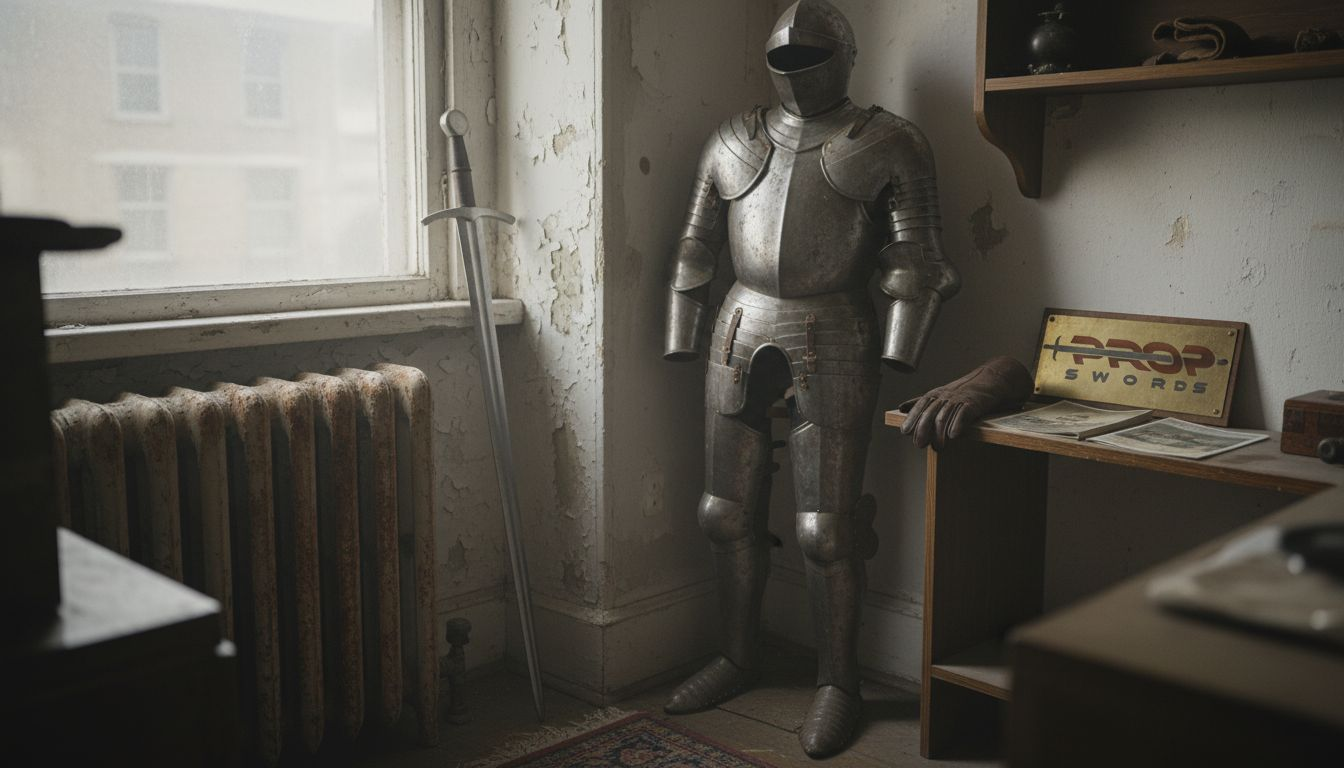
The double-edged design distinguishes longswords from single-edged alternatives, allowing for cuts on both forward and back swings. This historical accuracy matters to reenactors and display collectors who want period-appropriate pieces. The extended grip accommodates two-handed use, another authentic detail that adds to the sword’s visual and functional appeal.
Entry-level medieval longsword replicas typically cost between $150-$250, balancing cost and authenticity, making them accessible for new collectors. This mid-range pricing delivers solid construction without the premium commanded by katanas or specialized Viking pieces. You get good steel quality, proper weight distribution, and respectable finishing at a price that won’t break your budget.
Longswords shine in specific contexts. They’re perfect for medieval-themed displays, complementing armor, shields, and period furniture. Historical reenactment groups favor them for their authentic handling characteristics. The classic cruciform hilt design with its cross-guard creates an instantly recognizable silhouette that reads well in photos and display cases.
The weight does limit cosplay applications. Carrying a 1.5+ kg sword for hours becomes tiring, though shorter cosplay-specific versions around 1.2 kg offer more comfort. For static display or occasional photo opportunities, the authentic heft adds to the sword’s presence and perceived quality.
Quality longsword replicas balance historical accuracy with modern collecting needs, offering excellent value for collectors starting their journey into historical weaponry.
Viking sword: northern European heritage
Viking swords capture the martial spirit of Norse warriors with their distinctive design elements. Viking swords have straight, double-edged blades 70-90 cm long with broad pommels up to 7 cm wide, balancing weight for visual impact. That characteristic pommel, often lobed or wheel-shaped, creates an instantly recognizable profile that sets these swords apart from other medieval weapons.
The straight, double-edged blade design shares similarities with longswords but typically runs shorter and features simpler guard construction. This straightforward geometry made Viking swords effective for both cutting and thrusting in close combat. Modern replicas preserve these proportions while offering the durability needed for display and occasional handling.
Viking swords appeal strongly to collectors interested in Northern European history and Norse culture. The broad pommel serves both functional and aesthetic purposes, counterbalancing the blade weight while creating that iconic Viking sword silhouette. Many replicas feature pattern-welded blades or decorative inlays on the hilt, adding visual interest and historical authenticity.
These swords occupy a middle ground in pricing and availability. Quality replicas typically range from $180-$350, offering good value for the distinctive design and cultural significance. The balanced proportions make them easier to display than longer longswords while maintaining impressive visual presence.
For cosplay applications, Viking swords work well for Norse-themed costumes and fantasy characters inspired by Viking aesthetics. Their moderate length (shorter than longswords) and balanced weight distribution provide better maneuverability than heavier European swords. Display collectors appreciate how authentic Viking swords complement Norse-themed collections, historically-inspired room designs, or mixed weapon displays.
The distinctive pommel and guard designs offer variety within the Viking sword category, letting collectors choose pieces that match their specific aesthetic preferences while maintaining historical authenticity.
Saber: the curved cavalry weapon
Sabers bring a swashbuckling flair to historical sword collections with their distinctive curved, single-edged blades. Most measure 70-80 cm in length, falling between katanas and longswords in overall size. The curve creates an elegant line that’s less pronounced than a katana’s but more distinctive than straight European swords.
Weighing around 1.3 kg, sabers strike a practical balance for cosplay wear. They’re light enough for extended wearing without excessive fatigue but substantial enough to feel authentic. The single-edged design typically features a pronounced curve optimized for slashing cuts from horseback, reflecting their 18th and 19th century cavalry origins.
Sabers excel in costume-based applications. Pirates, musketeers, cavalry officers, and swashbucklers all carried sabers, making them versatile choices for historical and fantasy cosplay. The familiar silhouette reads instantly in photos, and the moderate weight allows for dynamic poses and staged combat without the bulk of heavier swords.
Affordability makes sabers attractive for gift buyers and budget-conscious collectors. Quality decorative sabers start around $120-$180, offering striking visual appeal at accessible prices. Stainless steel construction provides durability for handling and display without the premium commanded by high-carbon steel or hand-forged options.
Display versatility represents another saber advantage. They complement both military-themed collections and more theatrical displays. The curved blade catches light beautifully, creating visual interest from multiple angles. Sabers for cosplay offer excellent value when you need an impressive sword that won’t strain your arm or your wallet.
The distinctive guard designs, from simple knuckle bows to elaborate basket hilts, let you choose pieces that match specific historical periods or aesthetic preferences while maintaining that recognizable saber profile.
Comparing historical swords: weight, length, and use cases
Understanding how these four sword types compare directly helps you make informed decisions based on your specific needs. Katana weight ranges 1.1-1.5 kg, longswords 1.2-1.8 kg; blade lengths vary by sword type, creating distinct handling characteristics that affect both display and practical use.
| Sword Type | Blade Length | Weight | Price Range | Best For |
|---|---|---|---|---|
| Katana | 60-80 cm | 1.1-1.5 kg | $300-$600+ | Display, Japanese culture enthusiasts, detailed cosplay |
| Longsword | 85-110 cm | 1.2-1.8 kg | $150-$250 | Entry collectors, medieval displays, reenactment |
| Viking Sword | 70-90 cm | 1.3-1.6 kg | $180-$350 | Norse heritage displays, balanced visual impact |
| Saber | 70-80 cm | ~1.3 kg | $120-$180 | Cosplay, gifts, swashbuckling themes |
Weight differences significantly impact cosplay comfort. That 0.3-0.7 kg difference between a katana and longsword might seem small, but after several hours of wearing, it becomes substantial. Lighter options reduce arm fatigue and allow for more dynamic movement during photo sessions or convention events.
Craftsmanship levels vary most dramatically with katanas, where hand-forged pieces with authentic hamon lines command premium prices. Longswords and Viking swords offer solid mid-range craftsmanship at accessible prices. Sabers typically prioritize affordability and visual appeal over premium construction details.
Blade length affects both display requirements and shipping costs. Longswords exceeding 100 cm need larger display spaces and often incur higher shipping fees. Compact options like katanas and sabers fit standard wall mounts more easily and ship at lower rates.
When you compare replicas for cosplay and display, consider these trade-offs. Display collectors can prioritize craftsmanship and authenticity over weight. Cosplayers need to balance visual impact against wearing comfort. Gift buyers should focus on durability and cost-effectiveness while maintaining aesthetic appeal.
The right choice depends on weighing these factors against your primary use case, budget constraints, and personal aesthetic preferences.
Situational picks: best historical sword replicas based on use case
Matching sword types to specific situations helps you avoid common selection mistakes and maximize satisfaction with your purchase. Here’s how to choose based on your primary use case.
-
Best for cosplay: Lighter katanas (under 1.3 kg) or sabers made with aluminum or stainless steel cores offer excellent comfort for full-day convention wear. The reduced weight prevents arm fatigue while maintaining visual authenticity. Choose pieces with secure scabbards and reinforced fittings to withstand repeated drawing and sheathing.
-
Best for display collectors: High-quality longswords or hand-forged katanas with authentic materials deliver the craftsmanship details that make impressive showcase pieces. Look for visible hamon lines, proper differential hardening, and historically accurate fittings. These pieces appreciate in value and serve as conversation starters in your collection.
-
Best for gifts: Stainless steel sabers or Viking swords balance durability with visual impact at accessible price points. They require minimal maintenance, resist corrosion, and create impressive presentations without the fragility of high-carbon steel. Longswords are recommended for entry-level collectors due to balanced cost and authenticity, making them thoughtful gifts for history enthusiasts.
-
Best for entry-level collectors: Mid-priced medieval longswords ($150-$250) provide authentic designs without intimidating price tags. They teach you about sword anatomy, display requirements, and maintenance needs before you invest in premium pieces. The readily available replacement parts and accessories make them forgiving first purchases.
-
Best for high-end collectors: Hand-forged katana replicas with authentic hamon lines, same (ray skin) handles, and proper fittings represent the pinnacle of replica sword craftsmanship. These pieces require significant investment but deliver museum-quality authenticity and long-term value appreciation.
Pro Tip: Match your sword choice to your display environment. Katanas suit minimalist, Asian-inspired spaces. Longswords and Viking swords complement rustic or medieval décor. Sabers work well in eclectic or theatrical settings.
Explore best swords for cosplay and collecting to see detailed recommendations across various price points and use cases, helping you find the perfect match for your specific needs.
Explore high-quality historical sword replicas at Propswords
Finding the right historical sword replica requires both knowledge and access to quality sources. Propswords offers a curated selection of historically authentic and visually striking sword replicas across all the types covered in this guide. Whether you’re seeking a lightweight katana for cosplay, a substantial longsword for display, or an affordable saber for gifting, you’ll find options that balance craftsmanship with value.
Our resources like How to Authenticate Replica Swords help you make informed purchases by identifying quality indicators and avoiding common pitfalls. Explore detailed guides on types of replica swords to understand the full range of options available for your collection or cosplay needs. Shop historical sword replicas at Propswords for quality craftsmanship, expert guidance, and a selection designed specifically for collectors and enthusiasts like you.
Frequently asked questions
What is the best historical sword for cosplay?
Lighter katanas and sabers made with ergonomic designs work best for cosplay, offering both comfort and iconic looks. Choose pieces under 1.3 kg with secure fittings to prevent fatigue during long convention days. Aluminum-core or hollow-ground blades reduce weight while maintaining visual authenticity for photos and performances.
How do I verify the authenticity of a historical sword replica?
Check craftsmanship details like visible hamon lines, full tang construction, and historically accurate fittings to verify quality replicas. Consult expert authentication guides and examine material quality, particularly whether the blade uses high-carbon steel versus decorative stainless steel. Proper weight distribution and blade geometry also indicate authentic design rather than purely decorative pieces.
Which sword replica offers the best balance between cost and display quality?
European medieval longswords provide excellent balance between affordability and collector-worthy display quality in the $150-$250 range. They deliver authentic designs, solid construction, and historically accurate details without the premium pricing of hand-forged katanas. Mid-range longswords offer the craftsmanship and visual presence that makes them display-worthy while remaining accessible to new collectors.
Are katanas suitable for beginner collectors?
Katanas typically suit experienced collectors better than beginners due to higher prices and specialized craftsmanship requirements. Entry-level collectors benefit from starting with more affordable longswords or Viking swords to learn about display, maintenance, and authenticity markers. Once you understand these fundamentals, investing in a quality katana becomes a more informed decision with better long-term satisfaction.
What makes Viking swords visually distinctive?
Their straight, double-edged blades combined with broad pommels up to 7 cm wide create a striking silhouette tied to Northern European heritage. The characteristic lobed or wheel-shaped pommels instantly identify Viking swords, while simpler guard designs emphasize the blade’s clean lines. Pattern-welded blades and decorative hilt inlays add visual interest that sets them apart from other medieval European swords.