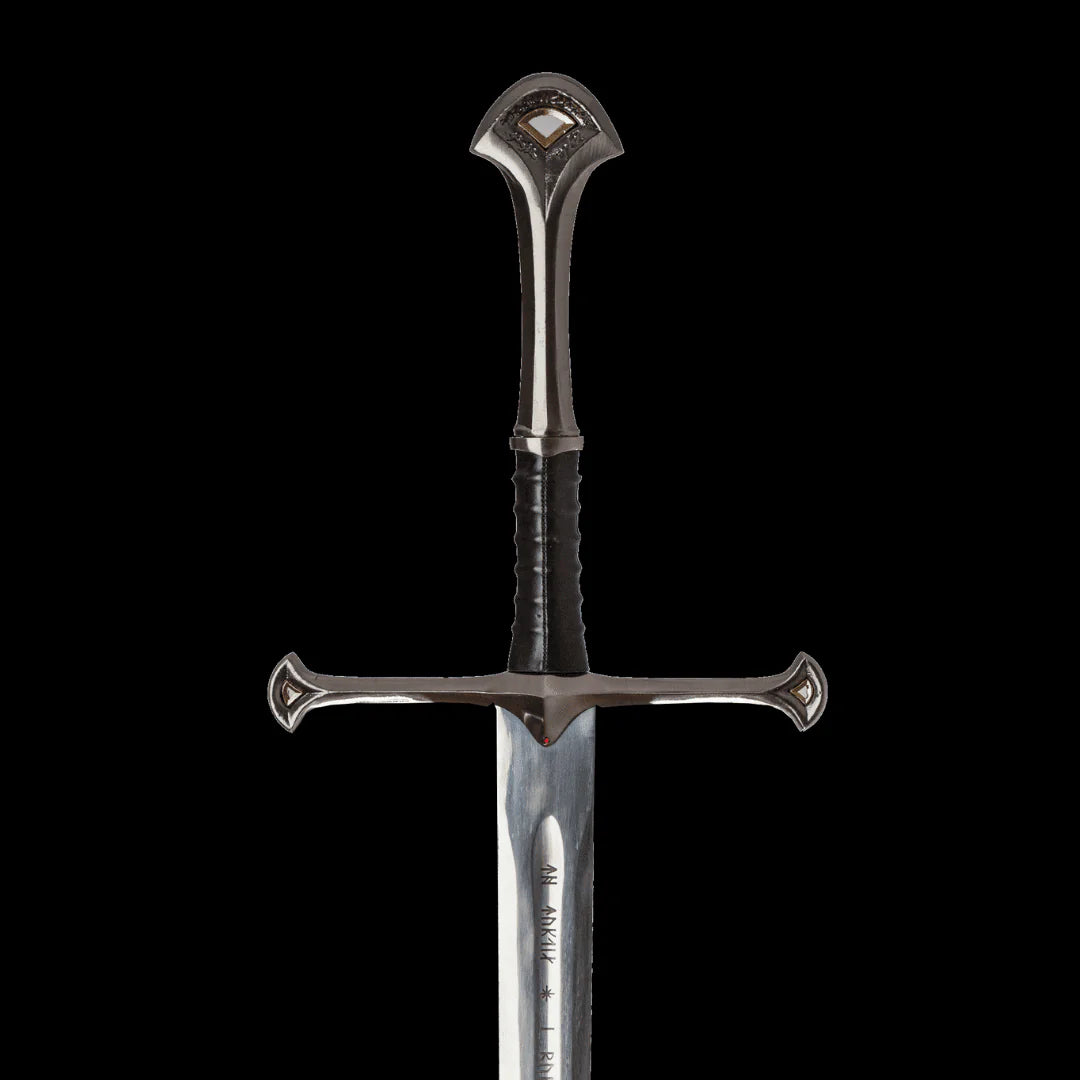
Have you ever looked at a dagger and thought, "Wow, that’s so cool"? You’re not alone. These amazing objects are so much more than just pointy blades. They are tiny pieces of history, works of art, and useful tools all rolled into one. From the shiny, swirling patterns on a Damascus steel blade to a handle carved from bone or wood, every part tells a story. For centuries, people have created and collected these incredible items, not just for defense, but for their beauty and the stories they represent.
This guide is for anyone who finds daggers fascinating. Maybe you're a collector looking for your next prized possession, a cosplayer searching for the perfect accessory to complete your fantasy costume, or simply someone who appreciates incredible craftsmanship. We’ll explore what makes these items special, from their historical roots to their role in movies and video games. Think of this as your personal treasure map to the exciting world of daggers. We’ll uncover the secrets behind different styles, help you spot a high-quality piece, and show you how to start a collection you can be proud of. Let’s begin the adventure!
The Anatomy of a Dagger
Before you start your collection, it helps to know the basic parts that make up a dagger. Think of it like getting to know a new friend. Every piece has a name and a purpose, and together they create something truly special.
Blade Types: The Heart of the Dagger
The blade is the main event, and it comes in all sorts of shapes and sizes. Most daggers have a double-edged blade, meaning both sides are sharp and meet at a very pointy tip. This design makes them great for piercing.
-
Straight Blades: This is the classic look you probably picture. They are simple, elegant, and have been used for thousands of years. From medieval daggers to modern tactical ones, the straight blade is a timeless design.
-
Curved Blades: Some daggers, like the Kris from Southeast Asia, have wavy or curved blades. These aren't just for looks; the unique shape could create more damaging wounds. Today, they are prized by collectors for their exotic and artistic appearance.
-
Serrated Blades: You might see some daggers with a serrated, or "saw-toothed," edge on one or both sides. This is more common on modern tactical or survival knives, but some fantasy daggers have them just to look extra intimidating.
Handle Materials: Getting a Grip
The handle, also known as the hilt, is where you hold the dagger. It's also where creators get to show off their skills. The materials used can tell you a lot about where the dagger came from and what it was used for.
-
Wood: A classic choice that never goes out of style. From simple, sturdy oak to fancy rosewood, wooden handles are comfortable to hold and can be carved with beautiful designs.
-
Bone or Antler: For thousands of years, people used bone and stag antler for handles. It gives the dagger a rustic, old-world feel that’s perfect for historical replicas.
-
Leather: Sometimes, a wooden or metal handle is wrapped in leather for a better grip. It feels great in your hand and adds a rugged look, especially on functional daggers meant for reenactments.
-
Modern Composites: Modern tactical and combat daggers often use man-made materials like strong plastics or rubber. These are super durable and provide an excellent grip, even in wet conditions.
Scabbards: The Dagger's Home
The scabbard is the sheath or cover that protects the blade (and you!). It’s not just for safety; a scabbard can be a work of art itself. Many are made from leather, wood, or metal and are decorated to match the dagger perfectly. A well-made scabbard keeps your blade safe from rust and damage while completing its look.
The Most Popular Dagger Styles
Daggers have been around for ages, and almost every culture has put its own spin on the design. This means there are hundreds of unique styles to discover. Let’s look at a few of the most popular ones that you'll find in many collections.
Viking Seaxes: The All-in-One Tool
The Vikings were practical people, and their favorite blade, the seax, shows it. It was part weapon, part everyday tool. With its single, long cutting edge, a Viking could use a seax to chop wood for a fire, prepare food, or defend themselves in a pinch. Today, replica Viking seaxes are popular with history buffs and anyone who loves the rugged, powerful style of the Norse warriors.
Scottish Dirks: A Symbol of Tradition
The Scottish dirk is a long, straight dagger that holds a special place in Scotland's history. It was the personal sidearm of Highland warriors and was often passed down through families. These daggers are known for their beautiful, intricate handles, sometimes decorated with silver and stones. A dirk isn’t just a weapon; it's a symbol of Scottish pride and heritage. Many decorative daggers are modeled after this iconic style.
Rondel Daggers: The Armor Piercer
If you look at paintings of medieval knights, you might spot a rondel dagger hanging from their belts. These daggers have a long, skinny blade and a circular guard and pommel (the "rondels"). This unique design was perfect for finding gaps in an opponent's armor during a close-quarters fight. Battle-ready versions are a favorite among HEMA (Historical European Martial Arts) practitioners.
Fantasy Daggers: Straight from Your Imagination
Who says daggers have to be based on reality? Fantasy daggers are inspired by movies, video games, and books. Think of blades wielded by elves, dragons, or mighty heroes. These pieces are all about creativity, with wild shapes, glowing gems, and handles shaped like mythical creatures. They are perfect for cosplayers and collectors who want something truly out of this world.
How to Identify High-Quality Daggers
When you start looking to buy, you’ll notice that prices can vary a lot. So, what makes one dagger worth more than another? It all comes down to the quality of the materials and the skill it took to make it. Here are a few things to look for.
Craftsmanship: Hand-Forged vs. Machine-Made
-
Hand-forged daggers are made by a skilled blacksmith who heats and hammers metal into shape. This traditional process creates a one-of-a-kind piece with its own character. You can often see tiny, unique marks from the hammer, which adds to its charm.
-
Machine-made daggers are cut from a sheet of steel by a machine. They are more uniform and often cheaper, but they can still be very high quality. Many great functional and decorative pieces are made this way.
Materials: The Steel Matters
The type of steel used for the blade is a huge factor in its quality.
-
Damascus Steel: This is the one with the beautiful, watery patterns on the blade. It’s made by folding and forging different types of steel together. A real Damascus steel blade is strong, holds a sharp edge, and is absolutely stunning to look at.
-
High-Carbon Steel: This is the go-to choice for functional, battle-ready daggers. It’s tough and can be sharpened to a razor’s edge, but it needs to be oiled to prevent rust.
-
Stainless Steel: This steel is great for decorative daggers because it’s very resistant to rust and stays shiny with little effort. While it’s usually not as tough as high-carbon steel, it’s perfect for a blade that will be on display.
Balance and Weight: How It Feels
A well-made dagger just feels right in your hand. It shouldn't feel too heavy in the blade or the handle. The "balance point" should be close to where the blade meets the handle. This makes it feel nimble and easy to control. Even if you only plan to display it, good balance is a sign of excellent craftsmanship.
What Are the Best Daggers for Beginners?
Jumping into the world of collecting can feel a little overwhelming. With so many choices, where do you even start? Don’t worry, finding your first dagger is a fun and exciting quest. Here are some tips to help you choose the best one for you.
Affordable Options for New Collectors
You don’t have to spend a fortune to get a great dagger. Many companies make excellent medieval and fantasy daggers that are perfect for starting a collection. Look for pieces made from stainless steel, as they are easier to care for and more budget-friendly. A simple medieval knight's dagger or a cool-looking fantasy piece can be a fantastic first choice.
Versatile Designs for Multiple Uses
If you’re not sure what style you like best, why not pick one that can do a little bit of everything? A functional dagger with a classic design, like a simple Scottish dirk or a small boot knife, can be used for historical reenactments, cosplay, or just as a beautiful display piece. This gives you the freedom to explore different hobbies without needing a separate dagger for each one.
Recommendations for First-Time Buyers
-
Start with a theme you love. Are you a big fan of Vikings, knights, or fantasy worlds like The Lord of the Rings? Choosing a dagger that connects with your passion makes collecting much more meaningful.
-
Read reviews. Before you buy, see what other people are saying. Online reviews can tell you a lot about the quality and feel of a dagger.
-
Don’t be afraid to ask for help. If you're buying from a specialized store, the staff are usually enthusiasts themselves. They can answer your questions and guide you to the perfect first piece.
Beyond the Blade: The Cultural Significance of Daggers
Daggers are so much more than just a sharp piece of metal. Throughout history, they have been powerful symbols in stories, traditions, and ceremonies all around the world. Understanding this adds another layer of fun to collecting.
Daggers in Mythology and Folklore
In many ancient myths, daggers were magical items. They could be the only weapon capable of slaying a monster or a sacred tool used to perform a magical ritual. Think of King Arthur's magical dagger, Carnwennan, which was said to be able to shroud its user in shadow. These stories gave daggers a sense of power and mystery that still captures our imagination.
Ceremonial and Symbolic Uses Across Cultures
In some cultures, daggers were never meant for fighting. Instead, they were part of a ceremony or a symbol of status. In Yemen, the Jambiya dagger is a curved blade worn by men as a symbol of their social standing. The more ornate the Jambiya, the more important the person. These ceremonial daggers are often decorated with silver, gold, and precious stones.
Modern-Day Representations in Media
Today, daggers are everywhere in pop culture. From the heroic assassins in the Assassin's Creed video games to the priceless daggers in action movies, these blades are a shorthand for stealth, skill, and power. Collecting daggers from your favorite movies or games is a popular way to connect with the stories you love.
How to Display Your Dagger Collection
Once you have a few daggers, you’ll want to show them off! A good display not only looks amazing but also keeps your collection safe. It's time to turn your collection into a stunning feature in your home.
Creative Display Ideas
-
Wall Mounts: Simple hooks or specially designed mounts let you hang your daggers on the wall, turning them into instant art. You can arrange them in a pattern or line them up by size or style.
-
Shadow Boxes: A shadow box is a deep picture frame that lets you display your dagger along with other items, like a description card or a picture of the character who used it. This is a great way to tell a story with your collection.
-
Stands: Individual stands are perfect for showing off a single, special dagger on a shelf, desk, or mantelpiece. You can find stands made of wood or clear acrylic that let the dagger be the star of the show.
Lighting Tips to Highlight Intricate Designs
Good lighting can make a huge difference. A small spotlight aimed at a Damascus steel blade can make the patterns pop. Backlighting a dagger with a unique silhouette can create a dramatic effect. Play around with different lighting options to see what makes your collection shine.
Are Daggers a Good Investment?
For some people, collecting is not just a hobby—it's an investment. While you should always collect what you love, it’s interesting to know that some daggers can become more valuable over time.
Factors That Affect a Dagger’s Value
-
Rarity: Is it a common design, or is it a rare, hard-to-find piece? The fewer there are, the more valuable it’s likely to be.
-
Craftsmanship: A handmade dagger from a famous blacksmith will almost always be worth more than a mass-produced one.
-
Materials: Daggers made with precious metals, rare woods, or high-quality Damascus steel tend to hold their value well.
-
Historical Significance: Does the dagger have a real story behind it? An antique dagger with a documented history can be extremely valuable.
Limited Editions and Rare Finds
Keep an eye out for limited edition releases from modern makers. These are often produced in small numbers and can become highly sought after by other collectors. Visiting antique shops, flea markets, and online auctions can also lead you to hidden gems that could be a valuable addition to your collection.
The Do’s and Don’ts of Dagger Maintenance
Taking care of your daggers is essential to keep them looking their best for years to come. It’s not hard, but a little bit of regular care goes a long way.
-
DO wipe down the blade with a soft, dry cloth after handling it. The oils from your fingers can cause rust.
-
DO apply a thin coat of mineral oil or a specialized wax to high-carbon steel blades every few months to prevent rust.
-
DON’T store your daggers in leather scabbards for long periods. The chemicals used to tan leather can trap moisture and corrode the blade. Use the scabbard for transport, but store them out in the open or in a display case.
-
DON’T use harsh cleaners or abrasive scrubbers on the blade or handle. These can scratch the finish and ruin the look of your dagger.
Where to Find Unique Daggers
The hunt is part of the fun! Finding that perfect piece to add to your collection is a thrilling experience. Here are a few places to look for unique and high-quality daggers.
-
Online Specialty Stores: Many online shops specialize in historical and fantasy weaponry. They offer a huge selection and often have exclusive collections you won't find anywhere else.
-
Custom Makers: If you have a specific design in mind, why not have a dagger custom-made? Many talented blacksmiths and artists take commissions and can bring your dream dagger to life.
-
Auctions and Antique Shops: For those who love the thrill of the chase, auctions and antique shops can be a treasure trove. You never know when you might stumble upon a rare, historical piece with an incredible story.
Conclusion
Daggers are a window into history, a form of art, and a link to the stories and heroes that inspire us. Whether you're drawn to the rugged utility of a Viking seax, the elegance of a Scottish dirk, or the wild designs of a fantasy blade, there’s a whole world of these incredible objects waiting to be discovered.
Building a collection is a personal journey filled with excitement and discovery. Each piece you add tells a part of your story. So, go out there, explore the amazing variety of daggers available, and find the ones that speak to you. Happy hunting