
Recent Post

Mastering the Art of Daggers: A Buyer's Guide

The Ultimate Guide to Bowie Knives for Outdoor Enthusiasts and Collectors

Everything You Need to Know About Damascus Knives

Everything You Need to Know About Stainless Steel Knives

Mastering the Art of Stainless Steel Knives
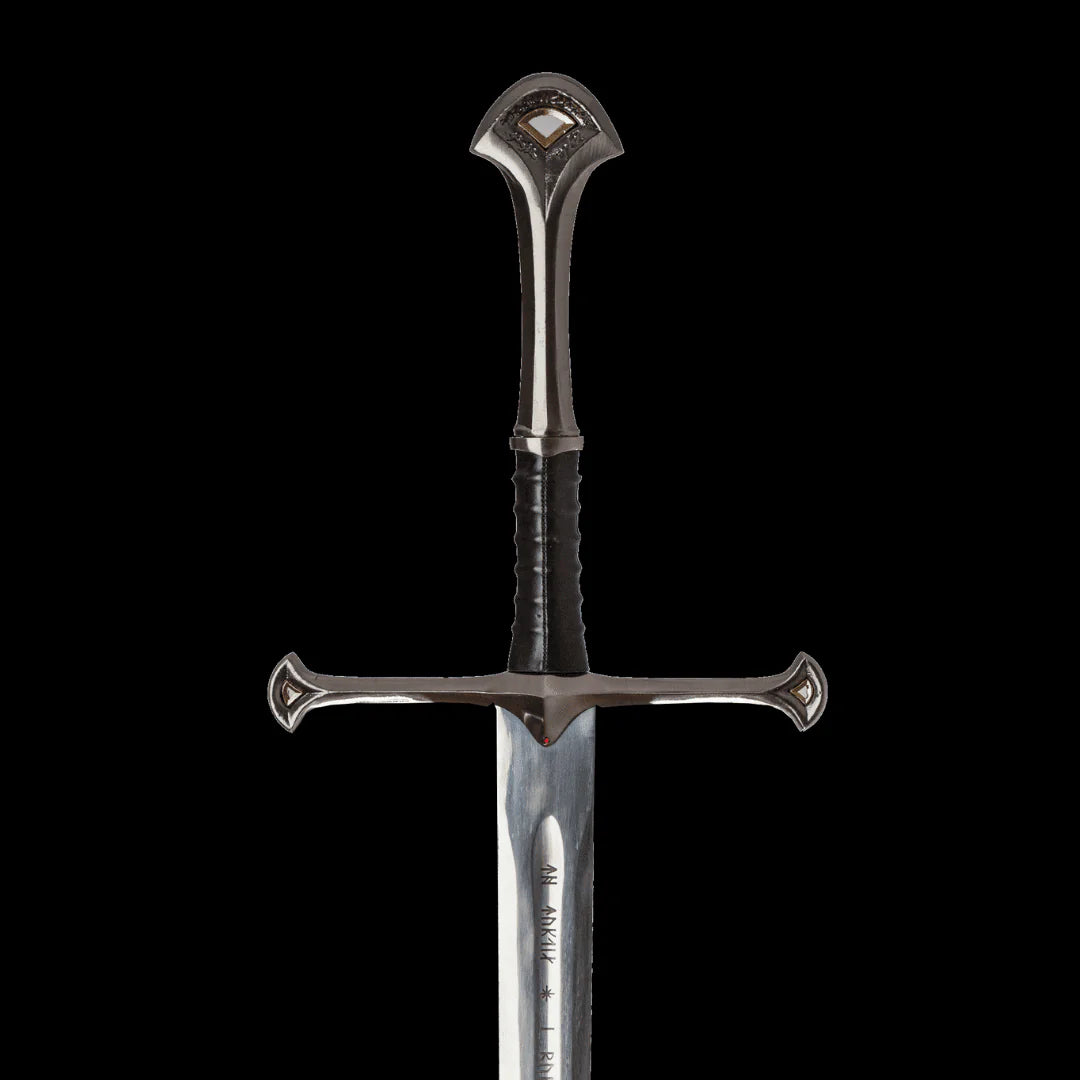
Narsil Sword Replica: The Ultimate Collector’s Piece for Tolkien Fans
Leave a comment
Everything You Need to Know About Stainless Steel Knives
Have you ever wondered why chefs treat their knives like treasure? Maybe you’ve seen someone on a cooking show chop onions so fast you can barely watch without blinking. The secret isn’t just skill—it’s often the tool. A good knife is like a magic wand in the kitchen. It turns a simple apple into a work of art and a tough pumpkin into a delicious dinner.
Today, we’re diving deep into the world of stainless steel knives. But don’t worry, this won’t be a boring school lesson. We’ll keep it relaxed, simple, and add a dash of fun. Grab a snack, lean back, and let’s find out why these shiny helpers are so special.
Why a Good Knife is the Heart of Every Kitchen
Imagine you want to paint a beautiful picture, but all you have is an old, frayed brush. The result probably won’t be great, right? It’s the same with cooking. If you’re working with a dull, wobbly knife, cooking becomes a chore. You have to push and saw, and your tomato ends up looking more like ketchup than a slice.
A reliable knife is a cook’s best friend. It gives you confidence. It doesn’t slip, it cuts exactly where you want, and it saves you an incredible amount of time. And let’s be honest: it feels pretty cool when the knife glides through veggies almost on its own.
What Makes Stainless Steel Knives So Special?
You might have heard of knives that rust just by looking at them wrong. Or knives so fragile they break if dropped. This is where the stainless steel knife comes in—the superhero of kitchen tools.
Why? Because it’s tough. "Stainless" means it doesn’t easily get those brown spots, even if it stays wet for a bit. It’s robust, shiny, and forgives small mistakes. It’s the workhorse of the kitchen: always ready, always strong, and pretty easy to care for.
The Anatomy of a Stainless Steel Knife: What’s Inside?

Let’s put a knife under the microscope. It’s not just a piece of metal and a handle. There’s more to it!
The Blade: Sharpness, Edge, and Angles
The blade is the star of the show. It’s the part that does all the work. On a stainless steel knife, it's made from a mix of iron, chromium, and sometimes other materials. Chromium acts like a bodyguard, protecting the iron from rust.
But not all blades are created equal. They have different "edges." Think of it like a pencil tip. Some are very sharp and pointed (great for fine tasks), while others are more robust (super for tough things like bones). A good blade stays sharp for a long time and is easy to resharpen when it gets dull.
The Handle: Your Steering Wheel
The handle is your connection to the knife. It needs to feel good in your hand, offer a secure grip, and be comfortable to hold. You can find handles made of wood (looks chic but needs care), plastic (very low-maintenance and durable), or even metal.
Ergonomics is key. That’s a smart word for how well something fits your hand. An ergonomic handle ensures your hand doesn’t ache even after chopping three pounds of potatoes.
Tang and Bolster: The Hidden Heroes
Now for a quick technical bit, but don't worry, it's simple.
- The Tang: This is the part of the blade that extends into the handle. In the best knives, the metal runs all the way through the handle. This is called a "full tang" and makes the knife incredibly stable. If the metal only goes a little way into the handle, it can wobble or break more easily.
- The Bolster: This is the thick piece of metal between the blade and the handle. It provides balance so the knife doesn’t tip forward or backward and protects your fingers from slipping onto the sharp blade.
What Types of Knives Are There, Anyway?
A knife block often holds many different knives. But which ones do you really need, and what can they do?
Chef’s Knife vs. Santoku: The Big Comparison
These are the two "bosses" in the kitchen.
- The Chef’s Knife: This is the classic from the West (Europe/America). It has a curved blade, which is great for "rocking" back and forth to mince herbs. It’s usually pointed and quite long.
- The Santoku Knife: This one comes from Japan. It’s often a bit shorter, lighter, and has a straighter blade. You tend to "chop" more in an up-and-down motion. It's fantastic for vegetables, fish, and meat.
Which is better? It’s a matter of taste! For a great selection of both, you can explore our stainless steel knife collection to see what might fit your style.
Specialists for Special Tasks
Sometimes you need a special tool:
- Bread Knife: You’ll recognize it by the wavy, serrated edge. It’s like a little saw. It cuts through hard bread crusts without squishing the soft inside.
- Paring Knife: Small, nimble, and perfect for peeling apples or hulling strawberries.
- Utility Knife: A middle ground between a chef's knife and a paring knife. Good for anything that needs a quick slice. Many of the knives in our survival and tactical knives collection can double as excellent utility knives.
Damascus Steel vs. Regular Stainless Steel: Pretty or Practical?
Maybe you’ve seen knives with beautiful, wavy patterns on the blade. That’s Damascus steel. It’s made by folding many layers of steel over each other. It looks stunning and is often very sharp. But a good, "normal" stainless steel knife often cuts just as well and costs much less. Damascus is often for collectors and enthusiasts who are willing to spend more.
How to Find the Best Knife for Your Kitchen
Now you know what’s out there. But which one should you buy? Here is your shopping guide.
Match the Knife to Your Cooking Style
Are you someone who cooks fresh meals every day and chops mountains of veggies? Then you need a robust chef's knife or Santoku. Do you mostly eat sandwiches and occasionally slice a cucumber? Then a smaller utility knife might be enough.
Think about it: What do I cut most? Meat? Vegetables? Bread? Your knife needs to fit your food.
Affordable vs. Premium: Does It Have to Be Expensive?
Here’s some good news: you don’t have to spend a fortune. There are great knives for a low price that cut wonderfully. Expensive knives are often made of even harder steel and hold their sharpness longer, but for normal home use, a mid-range knife often does the job. The important thing is that it doesn’t feel cheap. If the handle wobbles or the blade bends like rubber, stay away.
Do You Really Need a Whole Knife Set?
Commercials often show huge blocks with 20 knives. But let's be honest: you’ll never use most of them. It’s often smarter to spend your money on one really good chef's knife and a small paring knife, instead of a bunch of mediocre knives that just take up space. Quality over quantity!
Questions You Should Ask Before Buying
Before you head to the checkout, ask yourself these questions:
How Can I Test a Knife Before I Buy It?
If you're in a store, pick up the knife. How does it feel? Is it too heavy? Too light? Is the handle comfortable? Simulate cutting motions in the air (carefully!). If it feels like an extension of your arm, it’s the right one. This is harder to do online, but reviews and return policies can help.
What’s the Difference Between a Chef’s Knife and a Santoku?
Remember the motion: do you want to rock (swing) or chop?
- Rocking: Go for the Western chef's knife with the curved blade.
-
Chopping: Choose the Japanese Santoku with the straight blade.
Both are all-rounders, but the motion is different.
Care and Longevity: Making Your Knife Last Forever
A good stainless steel knife can be your companion for life if you’re nice to it.
Sharpening Like a Pro
Even the best knife will get dull. That’s normal.
- The Honing Steel: This is the long rod that butchers use. It doesn't actually sharpen the knife but straightens the fine edge of the blade. You should do this often.
- The Sharpening Stone: When the knife is really dull, material needs to be removed. There are stones with different grits for this. It takes some practice but will make your knife razor-sharp again.
- Electric Sharpeners: Quick and easy, but they often remove a lot of material. Good for those in a hurry, but not the best for the knife.
Avoiding Rust and Keeping the Edge
Yes, it’s called "stainless," but it should probably be called "stain-resistant." If you leave a wet knife in the sink for days, it can still rust.
- The Golden Rule: Always wash your knife by hand! The dishwasher is the enemy. The salt, the heat, and the clattering against other cutlery will dull the blade and can ruin the handle.
- Drying: Dry it immediately after washing.
Safe and Smart Storage
Never just throw your sharp knife into the drawer with the spoons and forks. Why?
- You could cut yourself when reaching in.
- The blade will hit other metal and become dull.
Better options: a knife block, a magnetic strip on the wall (which also looks cool!), or a blade guard for the drawer.
Surprising Things You Can Do with Knives
A knife is not just for cutting onions. It can do more!
Creative Decorations for Your Food
With a sharp, small knife, you can turn radishes into little mushrooms or cut fans out of cucumbers. We eat with our eyes first! In Japan, this is a real art form called "Mukimono." With a good stainless steel knife, you can really impress your friends at the next dinner party.
Knives for Other Tasks (But Be Careful!)
Of course, you can use an old knife in the garden to cut string or to help with crafts. But please don’t use your best kitchen knife for that! As soon as you cut paper, cardboard, or wire, the blade will become dull immediately. Reserve your good knife just for food. Our collectible knives are perfect for display, but keep your primary kitchen tools separate.
Eco-Friendly and Sustainable Knives
We all want to look after our planet. Is that possible with knives too?
The Best Brands for Sustainable Knives
There are now manufacturers who pay attention to where their steel comes from and how it is processed. Some use recycled steel or wood from sustainably managed forests (FSC-certified wood). This means that for every tree that is cut down, a new one is planted.
How Do I Recognize Eco-Friendly Materials?
Look at the handle. Is it made of cheap plastic that breaks quickly and ends up in the trash? Or is it high-quality wood or durable, recycled plastic? A knife that lasts 20 years is always more sustainable than one you have to throw away after one year. Durability is the best environmental protection!
Myths and Misconceptions About Knives
A lot of nonsense is said. Let’s clear things up!
Does a Good Knife Always Have to Be Expensive?
No! A $500 knife doesn't cut a tomato ten times better than a $50 knife. You often pay for the name, the design, or very special materials. For everyday use, a solid mid-range knife is completely sufficient. More important than the price is that you keep it sharp. A sharp, affordable knife is better than a dull, expensive one.
Are Japanese Knives Hard to Maintain?
Many people are afraid of Japanese knives because they think they rust immediately or break. That's often true for traditional carbon steel knives, yes. But modern Japanese knives are often also made of stainless steel. They combine the great Japanese shape and sharpness with the low maintenance of Western knives. So you don't have to be a master blacksmith to own one.
Conclusion: Your Path to the Perfect Cut
We’ve learned that a good stainless steel knife is more than just a piece of metal. It's a loyal companion that makes cooking safer, faster, and more fun.
Remember the comparison with the painter and the brush? Now you know which brush you need. You don't have to be a professional chef to feel the difference. Pay attention to the handle, the balance, and how well you can handle it. Take good care of it—please, no dishwasher!—and it will bring you joy for many years.
So, what are you waiting for? Find your perfect knife in our collection and start chopping. Who knows, maybe you'll even start to enjoy dicing onions!
Enjoy your meal and have fun cooking.