Recent Post

Materials Used In Replica Swords: Craftsmanship And Quality

Top 5 Best Movie Replica Swords in 2026 for Collectors

Top 7 Replicaswords.us.com Alternatives in 2026 for Anime and Fantasy Sword Collectors

7 Types of Replica Swords Every Collector Should Know

7 Iconic Sword Replicas Collectors and Cosplayers Love

How to Authenticate Replica Swords for Collectors
Leave a comment
Materials Used In Replica Swords: Craftsmanship And Quality
Finding a replica sword that captures the spirit of your favorite anime or fantasy saga can feel like a quest in itself. For North American collectors and cosplayers, the right materials make all the difference between a simple display piece and a weapon that feels truly authentic. Material selection impacts look, durability, and authenticity, whether you are seeking Japanese-inspired katana, medieval blades, or fantasy swords worthy of a showpiece collection.
Table of Contents
- What Materials Are Used In Replica Swords
- Traditional Steels Vs. Modern Alloys
- Common Synthetic And Composite Materials
- How Material Choice Affects Durability And Look
- Risks, Legal Requirements, And Safety Tips
Key Takeaways
| Point | Details |
|---|---|
| Material Selection is Crucial | The choice of materials directly impacts the sword’s quality, appearance, and durability, making careful selection essential for replica sword makers. |
| Modern vs. Traditional Materials | Contemporary materials offer superior consistency and performance, unlike traditional steels with unpredictable properties. |
| Safety and Legal Considerations | Understanding the legal framework and safety protocols is critical for responsible ownership and handling of replica swords. |
| Performance Characteristics Matter | Knowing the specific performance characteristics of materials can enhance both the functionality and aesthetic appeal of replicas. |
What Materials Are Used In Replica Swords
Replica sword craftsmanship involves a sophisticated selection of materials that determine the sword’s quality, appearance, and functional characteristics. Modern sword makers use multiple materials to create replicas that balance historical authenticity with contemporary manufacturing techniques.
Blades in replica swords typically utilize different steel grades, each selected for specific performance requirements. Steel grades influence sword quality through their unique properties:
- Stainless Steel: Ideal for decorative display pieces
- High Carbon Steel: Preferred for functional and training replicas
- Spring Steel: Used in high-performance, combat-ready swords
- Damascus Steel: Prized for intricate patterning and historical significance
Handle materials also play a critical role in replica sword construction. Craftsmen carefully select materials that provide aesthetic appeal, ergonomic comfort, and historical accuracy. Common handle materials include:
Here’s a comparison of popular replica sword blade materials and their best use cases:
| Blade Material | Main Advantage | Typical Use Case |
|---|---|---|
| Stainless Steel | Corrosion resistance | Decorative display only |
| High Carbon Steel | Holds sharp edge | Cutting practice |
| Spring Steel | High flexibility | Stage combat/training |
| Damascus Steel | Distinct look | Collector’s showpiece |
| Synthetic Polymer | Lightweight, safe | Cosplay/film props |
- Hardwoods (oak, maple, walnut)
- Leather wrapping
- Ray skin
- Synthetic composites
- Metal alloys with decorative finishes
Functional Considerations for material selection involve balancing multiple factors like weight, durability, and authenticity. Historical replica crafting techniques emphasize creating swords that not only look authentic but can also withstand potential usage scenarios.
The selection process for replica sword materials requires deep understanding of metallurgy, historical design principles, and modern manufacturing techniques. Professional sword makers invest significant time researching period-accurate materials and construction methods to produce high-quality replicas.
Pro tip: Always examine the material composition and craftsmanship details before purchasing a replica sword to ensure you’re getting a high-quality, authentic piece.
Traditional Steels Vs. Modern Alloys
The evolution of sword materials represents a fascinating journey from traditional metallurgy to advanced modern engineering. Historical sword crafting relied on intricate techniques that transformed raw metal into formidable weapons, while contemporary replica makers now leverage sophisticated alloy technologies to recreate these iconic artifacts.
Historical carbon steel techniques reveal the complex metallurgical processes used by ancient blacksmiths. Traditional steels were characterized by:
- Varying carbon content levels
- Manual forging techniques
- Localized heat treatments
- Inconsistent material properties
- Limited predictability in performance
Modern alloy technologies, by contrast, offer unprecedented precision and consistency. Contemporary steel types like spring steel (5160) provide remarkable advantages:
- Uniform molecular structure
- Enhanced toughness
- Superior flexibility
- Predictable performance characteristics
- Resistance to fatigue and stress
Material Performance is the critical differentiator between traditional and modern steels. Where historical swords relied on a blacksmith’s individual skill, modern replica makers can engineer specific mechanical properties through controlled metallurgical processes.
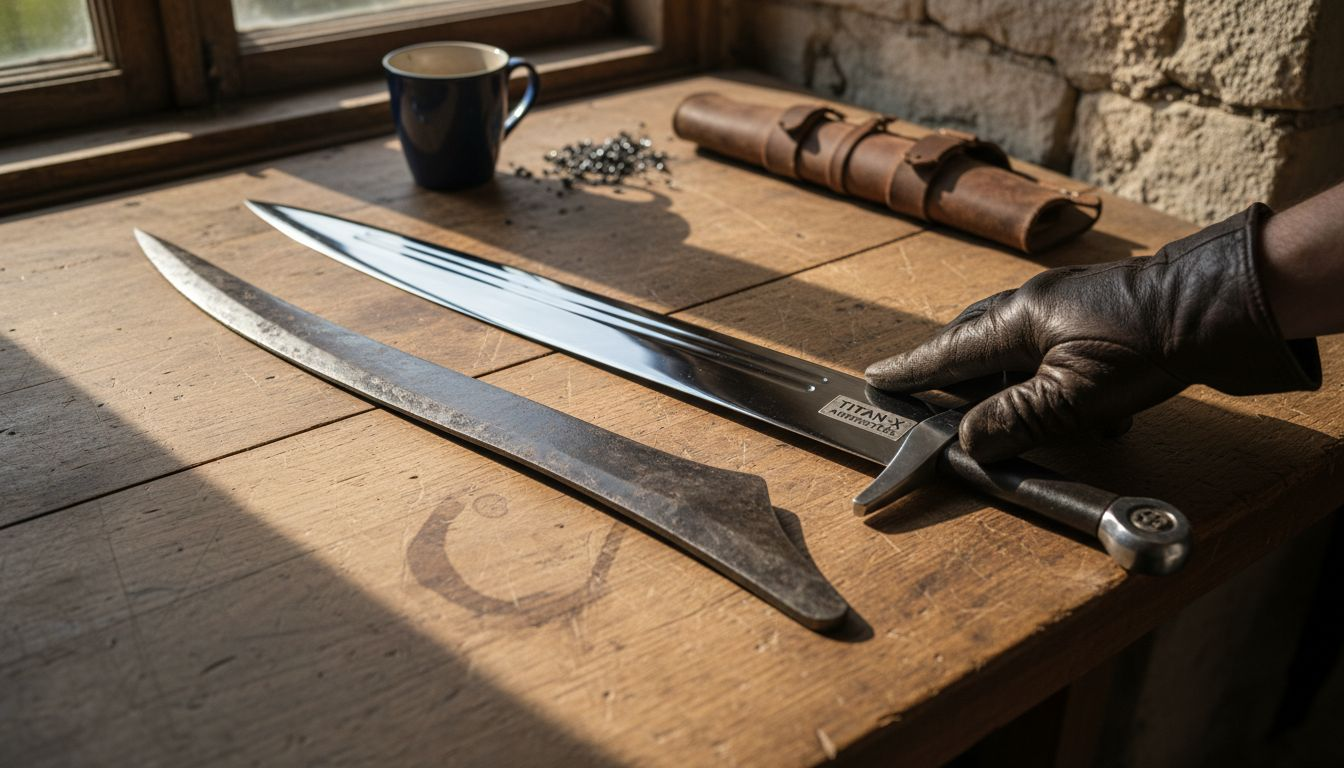
The transition from traditional to modern steels represents more than technological advancement—it’s a testament to human innovation in materials science. Each sword material tells a story of engineering evolution, bridging ancient craftsmanship with contemporary manufacturing capabilities.
Pro tip: When selecting a replica sword, consider the intended use and prioritize material quality over aesthetic appeal.
Common Synthetic And Composite Materials
Synthetic and composite materials have revolutionized replica sword manufacturing, offering unprecedented versatility and safety for cosplay, performance, and display purposes. These innovative materials bridge the gap between traditional metalworking and modern design requirements.
Synthetic sword materials provide remarkable advantages for replica creators, with several key composite technologies emerging:
- Lightweight Polymers: Ultra-light, moldable materials
- High-Density Foam: Shock-absorbing and impact-resistant
- Fiberglass Reinforcements: Strength without excessive weight
- Carbon Fiber Composites: Exceptional durability and precision
- Advanced Resin Systems: Customizable mechanical properties
These materials offer distinct benefits for different replica sword applications:
- Cosplay Performance: Lightweight, safe interaction
- Film Production: Realistic appearance with minimal risk
- Training Implements: Controlled flexibility and impact resistance
- Display Pieces: Intricate detailing without metal fabrication challenges
- Educational Reproductions: Cost-effective manufacturing
Synthetic Composition represents more than just material substitution—it’s a sophisticated engineering approach that reimagines sword crafting. Modern composite technologies allow designers to program specific mechanical characteristics impossible with traditional metalworking techniques.
The evolution of synthetic materials demonstrates how technological innovation continuously transforms traditional craftsmanship. These advanced composites provide replica sword makers unprecedented opportunities to create precise, safe, and visually stunning representations of historical and fantasy weaponry.
Pro tip: Always verify the specific performance characteristics of synthetic materials before selecting them for your replica sword project.
How Material Choice Affects Durability And Look
The selection of materials in replica sword crafting represents a delicate balance between aesthetic appeal, functional performance, and long-term durability. Every material choice carries unique implications for the sword’s overall quality, appearance, and potential usage scenarios.
Sword material characteristics reveal complex trade-offs between different metal and synthetic options:
- High-Carbon Steel: Maximum strength and traditional authenticity
- Stainless Steel: Low maintenance with bright finish
- Damascus Steel: Intricate patterning and visual complexity
- Synthetic Polymers: Lightweight safety
- Composite Materials: Balanced performance characteristics
The durability spectrum for replica sword materials encompasses multiple critical factors:
- Corrosion Resistance
- Impact Tolerance
- Weight Distribution
- Surface Finish Retention
- Long-Term Structural Integrity
Material Performance directly influences a replica sword’s visual and functional qualities. High-carbon steels offer exceptional sharpness and traditional aesthetics but require consistent maintenance to prevent degradation. Stainless steel provides a low-maintenance alternative with a bright, consistent appearance, though it sacrifices some structural resilience.
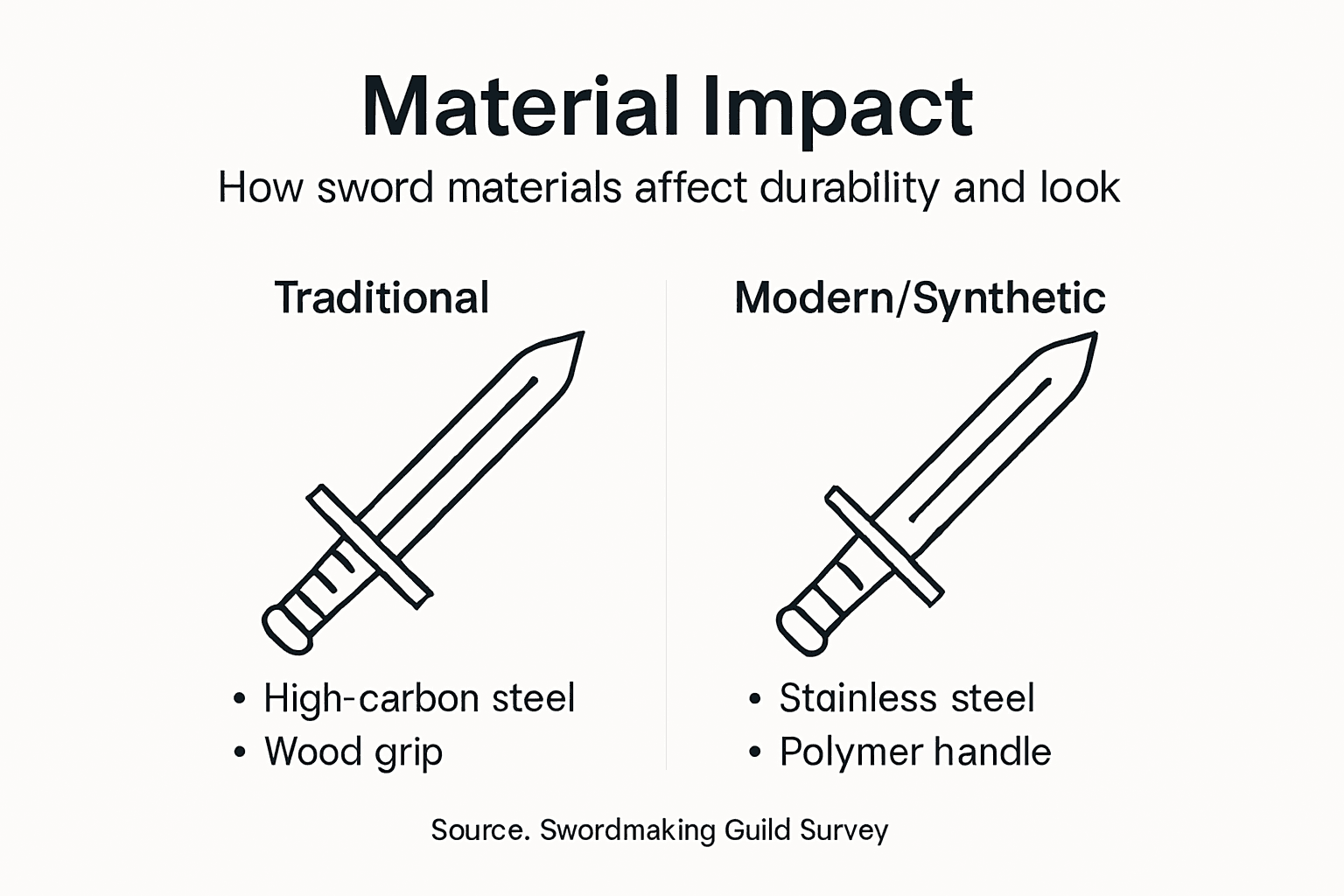
Synthetic materials represent a modern approach to replica sword design, prioritizing safety and versatility over strict historical accuracy. These innovative composites allow designers to engineer specific aesthetic and performance characteristics impossible with traditional metalworking techniques.
Below is a summary illustrating how different replica sword materials impact both appearance and durability:
| Material Type | Visual Appeal | Durability Over Time |
|---|---|---|
| High-Carbon Steel | Traditional, authentic | Needs regular care |
| Stainless Steel | Bright, shiny finish | Low maintenance strength |
| Damascus Steel | Unique patterned look | May require upkeep |
| Composite Material | Custom colors/textures | Good for frequent use |
| Fiberglass | Modern, smooth look | Highly impact-resistant |
Pro tip: Consider your intended usage and maintenance capabilities when selecting a replica sword material to ensure optimal long-term satisfaction.
Risks, Legal Requirements, And Safety Tips
Replica sword ownership and handling involves complex legal and safety considerations that enthusiasts must carefully navigate. Understanding the potential risks and legal implications is crucial for responsible collecting and usage of these intricate artifacts.
Legal Considerations for replica sword ownership vary significantly across different jurisdictions:
- Age restrictions for purchase and ownership
- Transportation and public display regulations
- Potential weapon classification requirements
- Local municipal ordinances
- State-specific blade length limitations
Safety protocols for replica sword handling are essential to prevent potential injuries:
- Always store swords in secure, locked displays
- Use protective equipment during handling
- Maintain clear demonstration areas
- Implement strict supervision during exhibitions
- Regularly inspect for structural integrity
Risk Management encompasses multiple dimensions beyond physical safety. Collectors and enthusiasts must consider potential liability issues, insurance requirements, and responsible display practices. Understanding the nuanced legal landscape helps mitigate potential legal complications.
Cosplay and historical reenactment communities have developed specific safety standards to address potential risks associated with replica sword usage. These guidelines emphasize creating safe interaction environments while preserving the authenticity and educational value of historical weapon representations.
Pro tip: Consult local law enforcement and legal professionals to understand specific regulations governing replica sword ownership in your jurisdiction.
Discover the Perfect Replica Sword Material for Your Collection or Cosplay
Choosing the right material is essential when selecting a replica sword that combines high craftsmanship with lasting quality. Whether you seek the authentic look of high-carbon steel, the striking patterns of Damascus steel, or lightweight synthetic composites for cosplay safety, understanding these materials helps solve the challenge of finding a sword that meets your needs for durability, appearance, and function. At Propswords, we recognize how crucial material choice is to enthusiasts, collectors, and performers who want the best blend of aesthetics and performance.
Explore an extensive collection of replica swords at Propswords designed to align with your material preferences and intended usage. Our selection includes swords inspired by anime, movies, Vikings, and historical weaponry crafted with detailed attention to material quality and craftsmanship. Don’t miss your chance to own a display-worthy or cosplay-ready masterpiece backed by promotions like free shipping within the USA. Visit https://propswords.com today and take the next step toward enhancing your collection or performance with a replica sword tailored just for you.
Frequently Asked Questions
What materials are commonly used in the blades of replica swords?
Blades in replica swords typically use various steel grades, including stainless steel (for decorative pieces), high carbon steel (for functional replicas), spring steel (for combat-ready swords), and Damascus steel (for intricate patterns and historical significance).
How does the material choice impact the durability of a replica sword?
The choice of materials affects a sword’s durability in several ways, including corrosion resistance, impact tolerance, weight distribution, surface finish retention, and long-term structural integrity. High-carbon steel provides maximum strength, while stainless steel offers low maintenance.
What are the advantages of using synthetic materials in replica swords?
Synthetic materials, such as lightweight polymers and high-density foam, offer remarkable versatility and safety for cosplay and performance. They are lightweight, shock-absorbent, and can be engineered for specific mechanical properties, making them ideal for safe interaction and realistic appearances without the risks associated with metal.
How do traditional steels compare to modern alloys in replica sword making?
Traditional steels relied on blacksmithing techniques for inconsistent material properties, while modern alloys provide uniform molecular structure, enhanced toughness, and superior flexibility. Modern materials like spring steel allow for predictable performance characteristics, which are beneficial for creating high-quality replicas.
Recommended
- Are Modern Replicas of Medieval Swords Authentic? – propswords
- How to Authenticate Replica Swords for Collectors – propswords
- How Are Blades of Chaos Replicas Made? – propswords
- Top 5 Best Movie Replica Swords in 2026 for Collectors – propswords
- Role of Craftsmanship in Luxury Bags: Why Quality Matters - BVPRIVE